







Search Results for: Extraction Tips
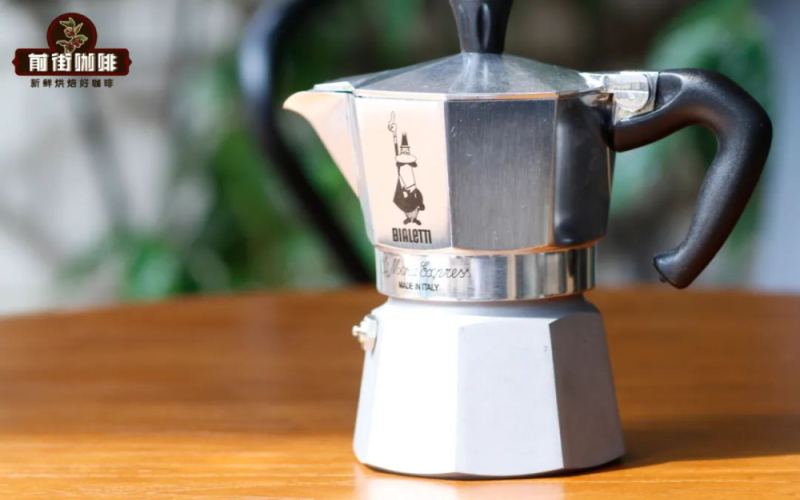
The Complete Moka Pot Guide: Step-by-Step Instructions, Tips, and an In-Depth Look at Pros and Cons
Since its debut in 1933, the moka pot has become the go-to entry-level choice for countless coffee lovers thanks to its compact convenience and rich brew. Yet controversy around it has never ceased: can it extract ideal crema like an espresso machine? And which coffee beans suit it best? This article systematically walks through the moka pot's operating steps and practical tips, compares its fundamental differences from coffee machines in crema performance, and objectively analyzes its pros and cons. At the same time, Front Street Coffee offers specific bean recommendations for the different flavor profiles of medium-dark and medium roasts, helping you consistently brew either silky, full-bodied coffee or fruit-forward, aromatic coffee with your moka pot. [more…]
Jamaican Blue Mountain Coffee Pour-Over Tips: Immersion Brewing Parameters and Coffee Bean Storage Key Points
Jamaican Blue Mountain coffee is beloved by coffee enthusiasts for its balanced and mild flavor, but to fully unlock its layered complexity, both the brewing method and storage approach are crucial. This article focuses on the key extraction points for Blue Mountain coffee, with an emphasis on immersion brewing techniques—including the operational logic of methods such as the French press, drip brewing, and paper filter brewing—while also providing specific parameters such as grinding timing, water temperature, and coffee-to-water ratio. In addition, the article corrects the common misconception of storing coffee in the refrigerator, explaining why an airtight container with a one-way exhaust valve is the better choice. Whether you have just picked up a bag of Blue Mountain beans or want to further optimize your daily brewing, these practical tips are worth considering. [more…]
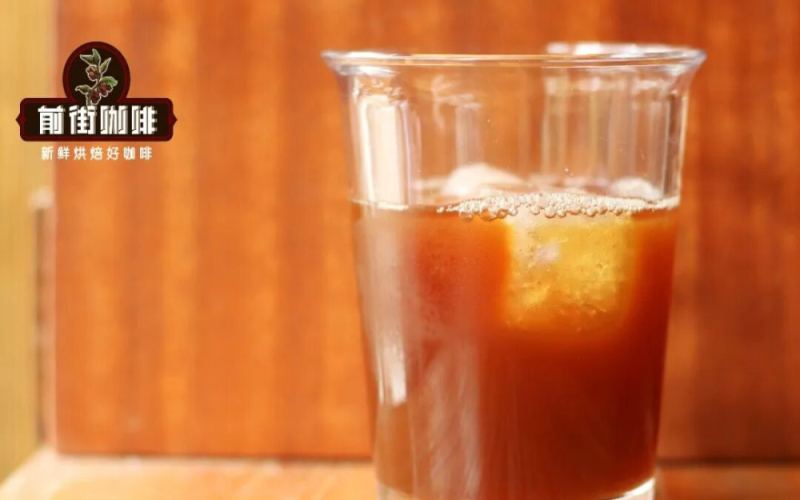
The Complete Process of Making Cold Brew Coffee at Home Using a Mineral Water Bottle: Parameters, Bean Selection, and Practical Tips
When the weather gets hot, cold brew becomes the go-to lifesaver for many coffee lovers. To enjoy cold brew, you don't necessarily need a dedicated cold brew pitcher—an ordinary plastic water bottle can just as easily produce a clean-tasting black coffee. This article explores the feasibility, cost, water usage, and extraction results of making cold brew with a plastic water bottle, along with specific details such as the coffee-to-water ratio, grind parameters, and steeping time. It also offers recommendations for coffee beans suitable for cold brew and tips to enhance the flavor. Using a 300ml plastic water bottle paired with Front Street Coffee's Fruit Ding Ding coffee beans as an example, the article provides a complete demonstration of the process from pouring water, grinding, adding coffee grounds, refrigerated steeping, to filtering and drinking, helping you easily make a budget-friendly and refreshing cold brew black coffee at home. [more…]
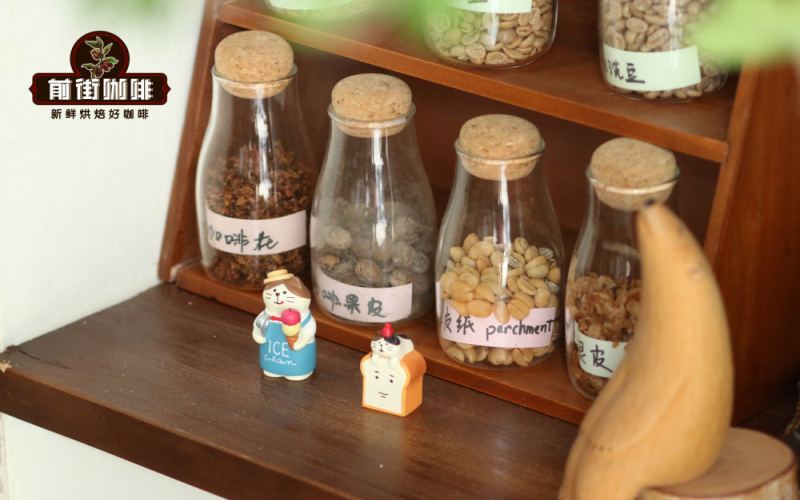
What coffee beans are suitable for a Moka pot? A full breakdown of paper filter tips, pros and cons, plus detailed brewing steps
As a must-have brewing device in Italian households, the moka pot is deeply favored by coffee enthusiasts for its compact size, convenience, and affordability. But how do you use it to brew a cup of coffee that is neither bitter nor astringent? What roast level of beans should you choose? Should you add a paper filter or not? This article will walk you through the working principle of the moka pot, and drawing on Front Street Coffee's hands-on experience, break down the brewing steps in detail, the choice of grind size, tips for avoiding over-extraction, and an analysis of the pros and cons of using a paper filter with a moka pot. We also recommend coffee beans suited to the moka pot—Front Street Coffee Golden Mandheling dark roast, rich and smooth, to help you easily make a cup of full-bodied, fine coffee. [more…]
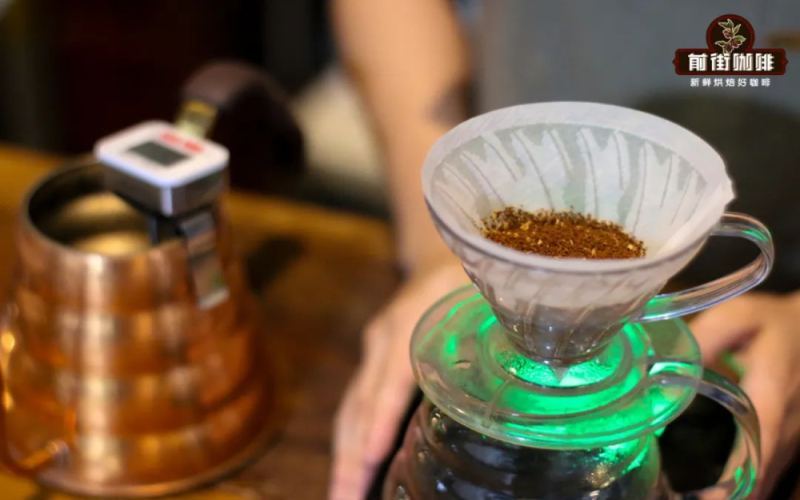
What temperature should you set for pour-over coffee in winter? Changes in slurry temperature and practical insulation tips
After the weather turns cold, many coffee enthusiasts find that using the same brewing parameters makes their coffee taste weak and lacking in sweetness. The problem often lies in the water temperature—a low-temperature environment accelerates heat loss, causing the actual extraction temperature to be lower than expected. Through actual testing, Front Street has found that at the same initial water temperature, there is a clear difference in the temperature of the coffee bed between summer and winter. This article will analyze the gap between the water temperature in the kettle and the extraction temperature, provide specific recommendations for adjusting water temperature in winter, and share practical techniques to reduce heat loss, helping you consistently produce a cup of pour-over coffee with full flavor even in the cold season. [more…]
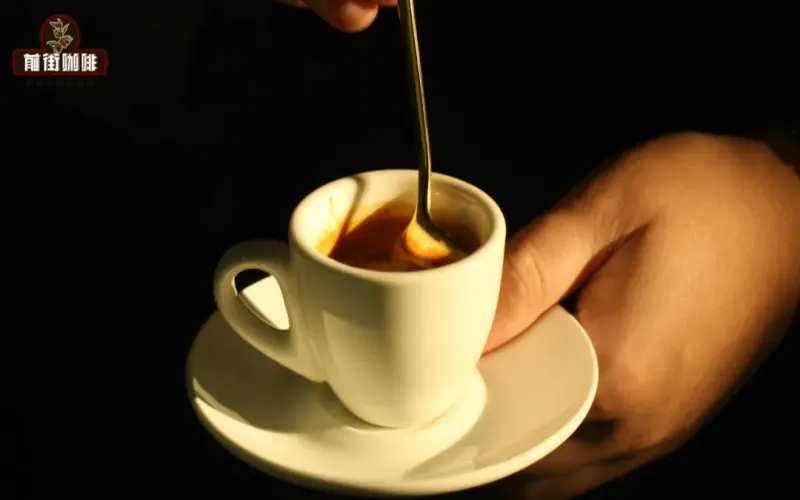
Where does espresso flavor come from? How to choose espresso beans? Five tips to teach you how to taste Espresso
Espresso often leaves a first impression of being "bitter," which puts off many first-time tasters. But those who truly know how to appreciate it can taste layers and pleasure in this small cup of coffee. From the perspective of Front Street, this article systematically sorts out the three major advantages brought by espresso's pressurized extraction—Crema, rich lipids, and ultra-high concentration—and shares five practical tasting tips: first rinse your mouth with water, stir to blend the oils, smear the oils around the rim of the cup to adapt, take small sips in several rounds, and choose Italian-style beans with a medium roast. At the same time, it introduces how Front Street's classic blend, with a combination of Mandheling, Brazil, and a small amount of Robusta, presents a chocolate-hazelnut profile that is strong but not bitter, helping you more easily enjoy a cup of espresso. [more…]
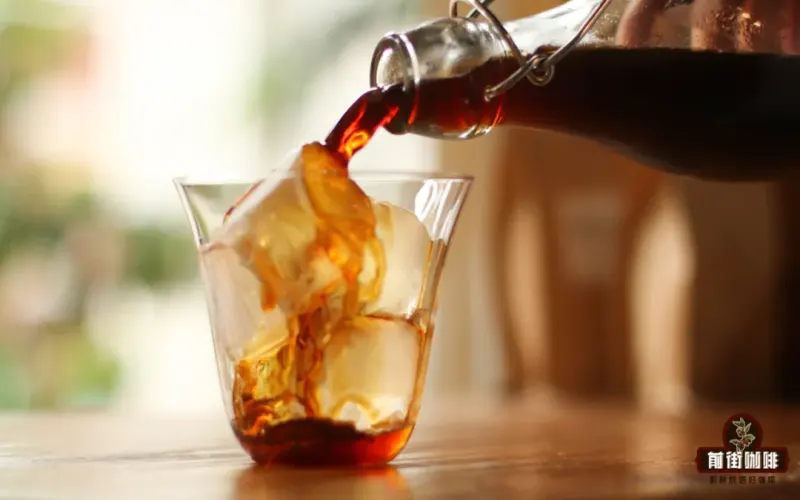
A Detailed Guide to Cold Brew Coffee Steeping Time and Coffee-to-Water Ratio: Practical Tips for Boosting Strength and Juicy Flavor
Cold brew coffee has become increasingly popular among coffee enthusiasts in recent years thanks to its refreshing taste and low acidity. But many people are often puzzled when making it at home: exactly how long should it steep? How should the coffee-to-water ratio be handled? And what key points should be mastered to create a cold brew flavor with a juicy feel? This article centers on the steeping and extraction principles of cold brew coffee, explaining why low-temperature water has weaker extraction power and therefore requires a longer steeping time yet is not prone to over-extraction, and further shares practical methods for increasing concentration and creating a juicy flavor profile. The article also retains Front Street Coffee's related product recommendations for readers to refer to and choose from. [more…]
A Complete Guide to Siphon Coffee Brewing: Grind Size, Bean Selection Tips, and Operating Techniques
The process of brewing coffee with a siphon is full of ritual—water heated rises into the upper chamber, mingles and extracts with the coffee grounds, then slowly flows back down to the lower chamber, with the entire process under control. This method is especially suitable for single-origin beans and blended beans that are not heavily roasted, and can fully showcase the coffee's aroma and rich body, particularly those beans that have bright fruity acidity combined with a mellow flavor. This article will introduce in detail the pre-brewing preparation for the siphon, the standard brewing steps, and eight practical tips, while also answering common questions such as coffee bean grind size and the direction for choosing beans, and includes Front Street Coffee's bean recommendations for the reference of coffee enthusiasts. [more…]
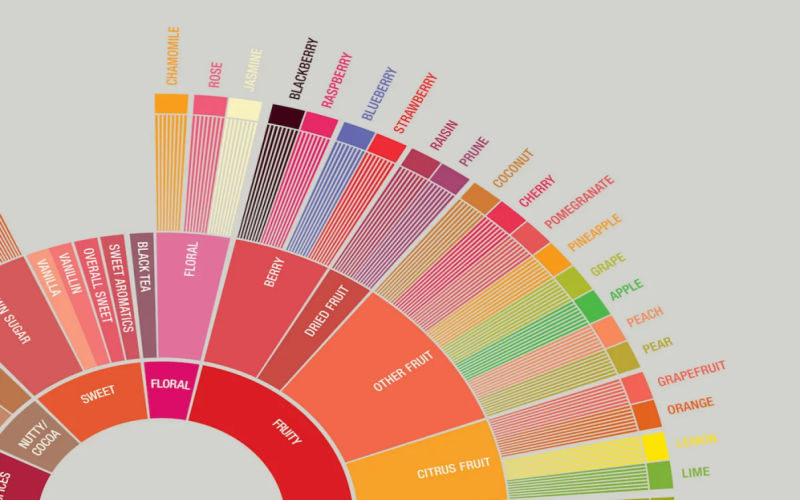
How to bring out a juicy, fruit-like quality in pour-over coffee? Front Street shares Kenyan bean extraction methods and practical tips.
Many coffee enthusiasts often run into a puzzle after buying coffee beans described as having fruity flavors: when brewing at home, they either over-extract and end up with a bitter, undrinkable cup, or the acidity is thin and lacks any complexity. Front Street Coffee has received similar feedback, and so has offered specific advice on how to brew a cup with a juicy mouthfeel. This article will use Kenyan coffee beans as an example, starting with grinding, water temperature, pouring technique, and other steps, to systematically introduce pour-over extraction techniques that will help you recreate a full, bright, juice-like flavor experience at home. [more…]
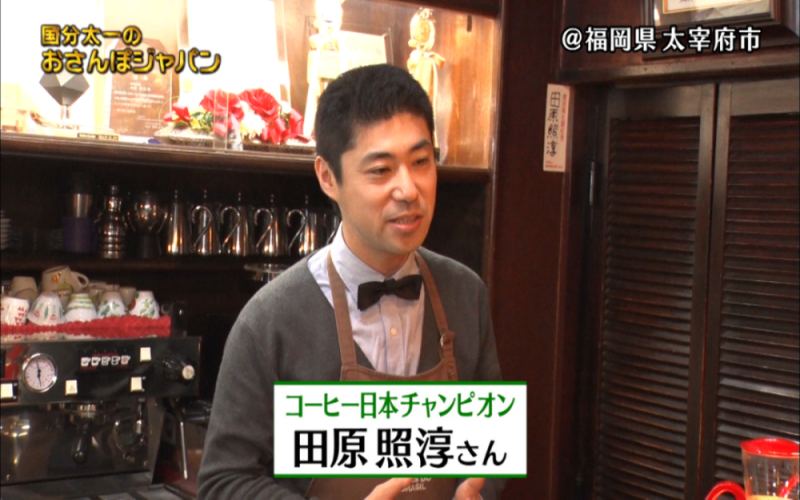
A Complete Guide to the Japanese Pour-Over Zigzag Technique: From Parameters to Flannel Extraction Tips for Delicious Coffee
In the world of pour-over coffee, the Japanese school has always held a unique position. Besides the common circular pouring, there is another technique called the "zigzag pouring method." It is not a misreading of "の字" (the character "no"), but rather a unique method created by Mr. Teruharu Tahara of the long-established Japanese coffee shop Rankan. Through repeated research, Front Street Coffee has found that this "zigzag" pouring method can produce a completely different extraction effect. This article will break down the operating parameters of the zigzag pouring method in detail, including water temperature, grind size, coffee-to-water ratio, and pouring rhythm, and extend to the application of flannel filter cloth, teaching you how to make a delicious cup of flannel pour-over. Whether you are a beginner just getting into pour-over or a seasoned enthusiast looking to refine your technique, you can gain practical reference from it. [more…]
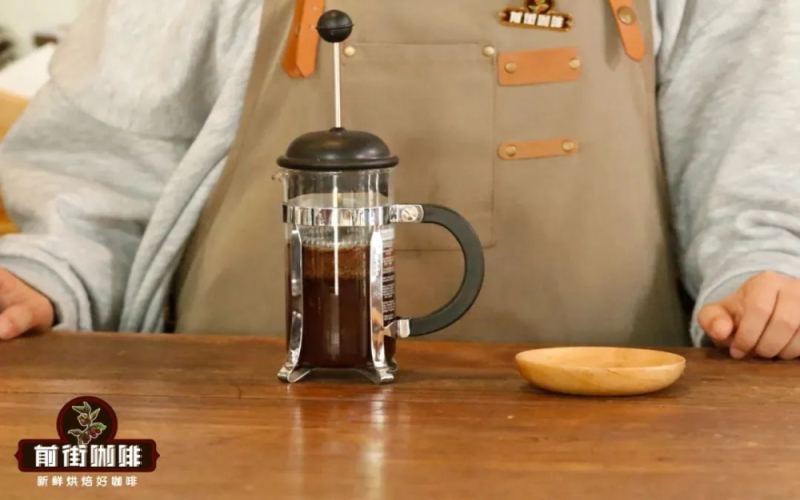
The Complete French Press Guide: Practical Tips from Bean Selection to Brewing and Maintenance
The French press is one of the simplest coffee brewing devices to operate, requiring no complex pouring technique, which is why it is so popular among beginners. However, this seemingly simple immersion extraction actually involves several key variables, including coffee bean selection, grind size, steeping time, water temperature, and coffee-to-water ratio. This article systematically breaks down the working principles and practical parameters of the French press to help you avoid common pitfalls and brew a cup of rich, balanced coffee. It also includes key points on filter cleaning and daily maintenance to keep the device in good condition at all times. [more…]
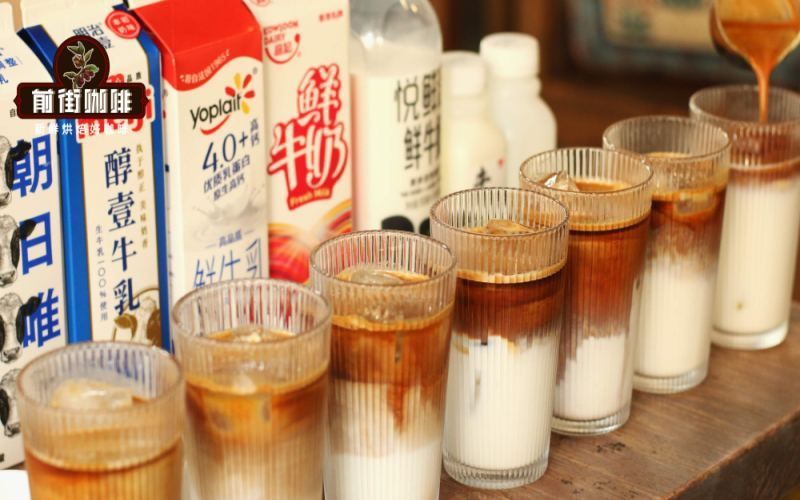
What's the difference between iced latte and iced coffee? Espresso extraction and pairing tips for making your own latte
Why is it that, even among iced coffees, the iced latte from a café is always more aromatic and smooth? From the perspective of Front Street, this article breaks down the conceptual differences between an iced latte and iced coffee, explains whether espresso can be used to make a latte, and offers actionable tips for making iced lattes at home, covering household equipment, coffee bean selection, espresso extraction standards, the coffee-to-milk ratio, and the use of ice. The article also recommends two espresso beans—Front Street Signature Blend and Front Street Classic Blend—which suit different needs such as home use, office use, and latte art for beginners, helping you get closer to the flavor performance of café-quality drinks. [more…]
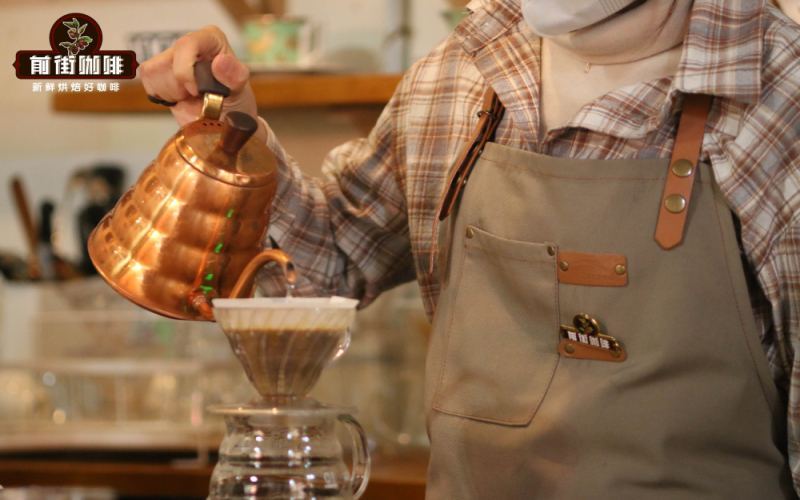
The Complete Guide to the Bloom in Pour-Over Coffee: Water Amount, Timing, and Degassing Tips for Light Roasts
Blooming is a seemingly simple yet subtly nuanced key step in pour-over coffee. From the perspective of Front Street, this article delves into the core purposes of blooming—releasing carbon dioxide and stabilizing extraction—and analyzes the connection between the English term "bloom" and the swelling state of the coffee bed. The article compares in detail the pros and cons of different water amounts (1x to 3x), recommending 1.5-2x water as the better choice, while explaining that bloom time should be flexibly controlled between 20-40 seconds based on degassing effectiveness. In addition, it shares practical tips for judging the end of blooming by observing changes in the dome, as well as the specific effects of different bloom durations on coffee flavor, helping coffee enthusiasts master this step precisely. [more…]
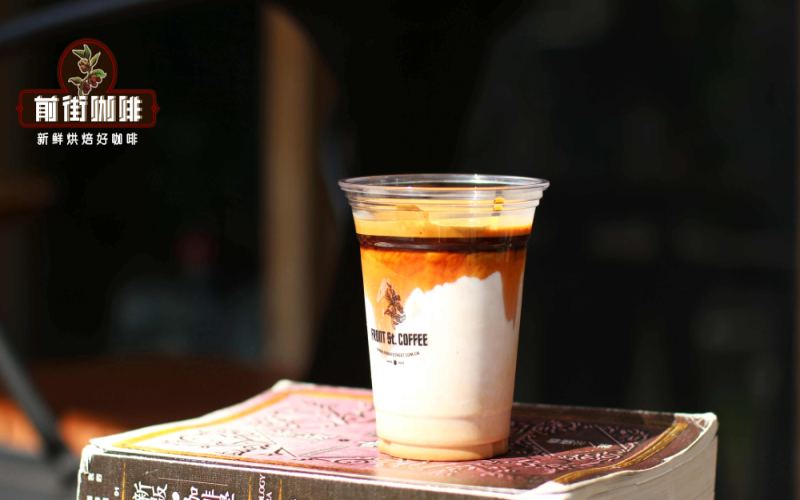
Making Lattes at Home: Cup Ratios and Espresso Extraction Tips for Hot and Iced Drinks
Want to recreate coffee shop-quality lattes at home? It's actually not as complicated as you might think. The key lies in choosing the right coffee beans and milk, mastering stable espresso extraction parameters, and getting the coffee-to-milk ratio right. This article uses Front Street Signature Blend, Strawberry Candy, Classic Blend, and Huakui SOE as examples to break down the hot latte-making process in detail, and offers latte ratio suggestions for coffee beans of different roast levels—from 1:4 to 1:8—so you can easily find the balance point that best suits your taste. [more…]
Jamaican Blue Mountain Coffee Beans: Pour-Over and French Press Brewing Tips and Flavor Profile Analysis
Jamaican Blue Mountain coffee is renowned worldwide for its balanced and elegant flavor, but to fully unlock its flavor potential, the choice of brewing method and the details of execution are crucial. This article systematically introduces the two mainstream extraction paths for Blue Mountain coffee beans—French press and pour-over drip—and breaks down in detail the complete steps from grind size control and water temperature adjustment to pouring rhythm. Whether you prefer immersion or pour-over, you will find practical guidelines here to make every cup of Blue Mountain coffee present a clean, round, and richly layered performance in the cup. [more…]
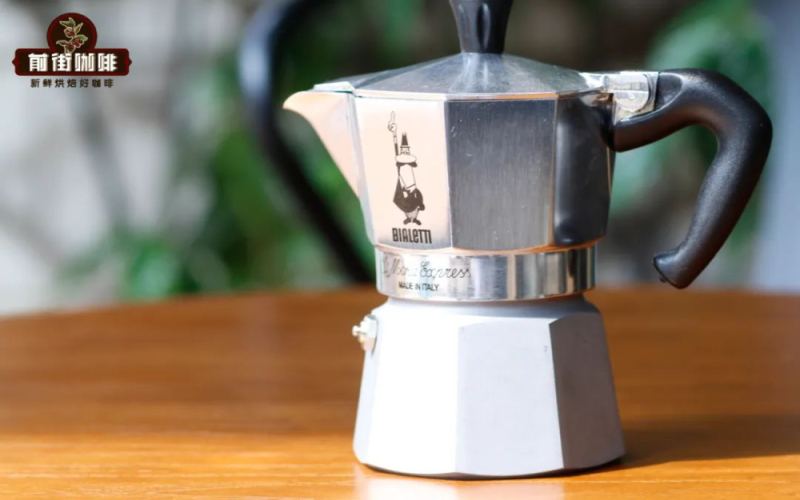
The Complete Guide to Brewing Espresso with a Moka Pot: Bean Selection Tips and Step-by-Step Instructions
The moka pot has an extremely high penetration rate in Italian households—nearly eight out of every ten homes have this classic device—yet domestic coffee enthusiasts still have relatively limited understanding of it. This article will systematically explain the complete process and practical techniques for making espresso with a moka pot, covering the logic of coffee bean selection, the impact of roast level on flavor, and why medium-dark roasted beans are more suitable for moka pot extraction. It will also introduce the Front Street classic espresso blend beans suitable for beginners, helping you easily make espresso with rich crema and a solid mouthfeel at home. [more…]
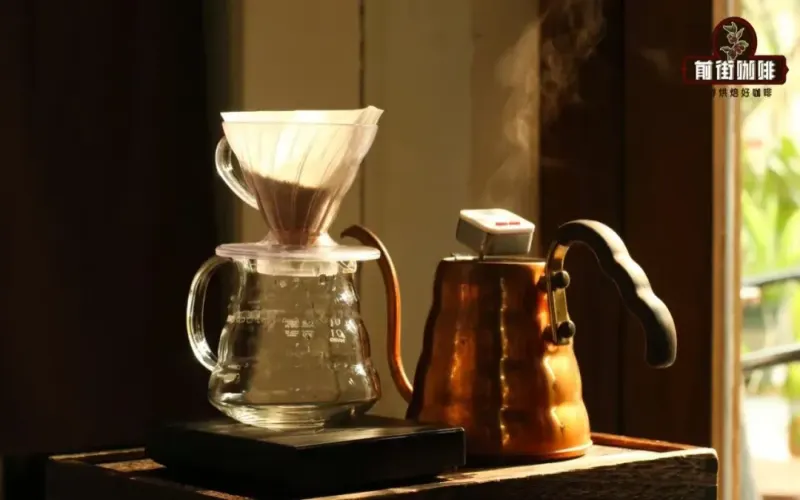
Barista Tasting Primer: Where Does the Sweetness in Black Coffee Come From? Practical Pour-Over Tips for Strawberry Candy
Many friends who are just getting into coffee have this question: coffee has no sugar added, so why do some people say it's sweet? In fact, the sweetness of coffee is not sugar directly picked up by the taste buds, but a combined sensory experience formed by taste, smell, and association working together. From the perspective of Front Street, this article systematically explains the sources of coffee sweetness—including the transformation of sugars in green beans during roasting, the sweet aftertaste effect brought by the contrast between acidity and bitterness, and how retronasal olfaction leads us to associate sweetness with certain foods through aroma. At the same time, the article also shares practical tips in three areas—bean selection, brewing, and tasting—to help you perceive sweetness more clearly in black coffee, and includes extraction suggestions for beans such as Front Street Strawberry Candy. [more…]
Six practical tips for choosing coffee beans: from brewing equipment and taste preferences to roast dates and whole-bean storage
Faced with a dazzling array of coffee beans, how can you pick the bag that is truly fresh and delicious? Starting from real-life purchasing scenarios, this article lays out six practical tips: first clarify which brewing equipment you use, then communicate with the staff based on your personal taste preferences, avoid being misled by stereotypes like "Colombian beans are definitely sour" or "Mandheling is definitely bitter," pay special attention to the roast date and resting time, buy whole coffee beans rather than pre-ground powder whenever possible, and finally purchase in small quantities multiple times according to your daily consumption. The article also draws on specific Front Street Coffee products to suggest bean choices for different scenarios such as espresso, pour-over, and cold brew, helping coffee lovers enjoy a cup of richly aromatic coffee in its freshest state. [more…]

A Detailed Guide to Making Americano: Coffee-to-Water Ratio, Extraction Parameters, and Flavor Adjustment Tips
Americano is one of the most common drinks in coffee shops. It seems like it just needs espresso plus water, but in reality it greatly tests a barista's extraction skills. This article starts with the two major categories of Americano, focusing on the coffee shop version's preparation method, including the recommended extraction parameters for Front Street Coffee's classic blend (20 grams of grounds extracting 40 grams of liquid, 27 to 28 seconds), a grounds-to-liquid ratio controlled at 1:2, and key data such as a time of 25 to 30 seconds. At the same time, it analyzes the two common reasons why Americano tastes sour—the beans are roasted too light or the extraction is insufficient—and gives solutions such as switching to medium-dark roasted beans or making the grind finer. Finally, it also explains the formation principle of the layer of coffee oil on the surface of hot Americano, helping enthusiasts fully grasp the key points for making a delicious cup of Americano. [more…]
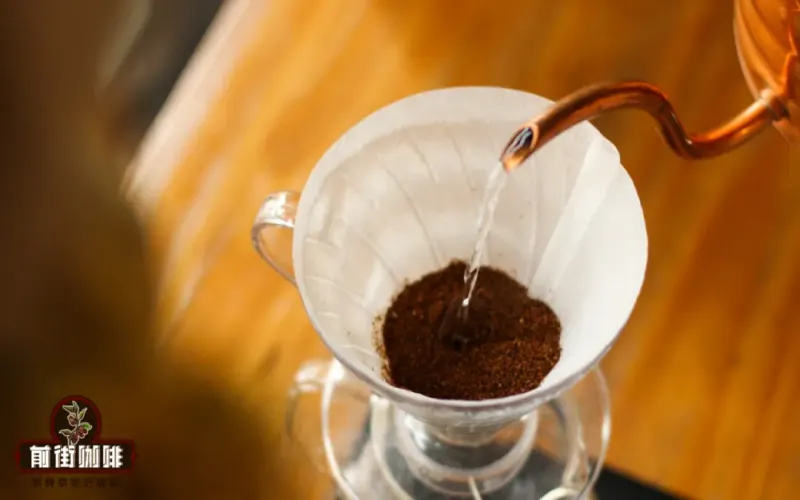
Pour-Over Coffee Water Pouring Techniques Explained: Key Steps of Scott Rao's Spin and Shake Method and Dripper Flow Control Tips
Among the many pouring techniques in pour-over coffee, there is one method that looks quite bold and unrestrained—the Rao Spin, created by coffee industry celebrity Scott Rao. This multi-talented figure—roaster, barista, and author—is renowned in the industry for his books such as The Coffee Roaster's Companion, The Professional Barista's Handbook, and The Coffee Brewer's Handbook. In Rao Spin, "Spin" means to rotate or shake, so Front Street Coffee habitually calls it the Lao-style shaking method. This article will introduce the origins and characteristics of this brewing method, break down its pouring steps in detail, and also discuss the principle behind gripping the dripper to control the flow rate. [more…]